
Kidney disease protein is one of the most confusing parts of eating with CKD, because the advice changes with your stage. If you’re not on dialysis, you’re usually told to limit protein. If you start dialysis, you’re often told to eat more. Both are right for their stage, and neither is right for everyone, which is why a kidney dietitian matters more here than anywhere else in this site’s diet guides.
This guide is built around the Kidney Friendly Protein Foods List from SoftoTech Print Studio. The chart sorts 60 protein foods into three color-coded columns, Eat with 24 foods, Limit with 20 and Avoid with 16 items. The second printable is the shop’s larger Kidney Diet Food List, with 126 foods, for the rest of the plate.
I won’t give you a gram target, because nobody can do that without your lab results, your size and your stage. What I can do is explain what the National Kidney Foundation and NIDDK say about protein, go through the chart column by column, and show how to use it with your dietitian. I’ll also cover label reading, since added phosphorus in processed protein foods is a quiet problem.
In this guide:
- Why Protein Needs Change With Your Stage
- The Eat, Limit and Avoid Columns, Food by Food
- A Worked Day, a Shopping Habit and How to Read Labels
- Working With Your Kidney Team
- Frequently Asked Questions
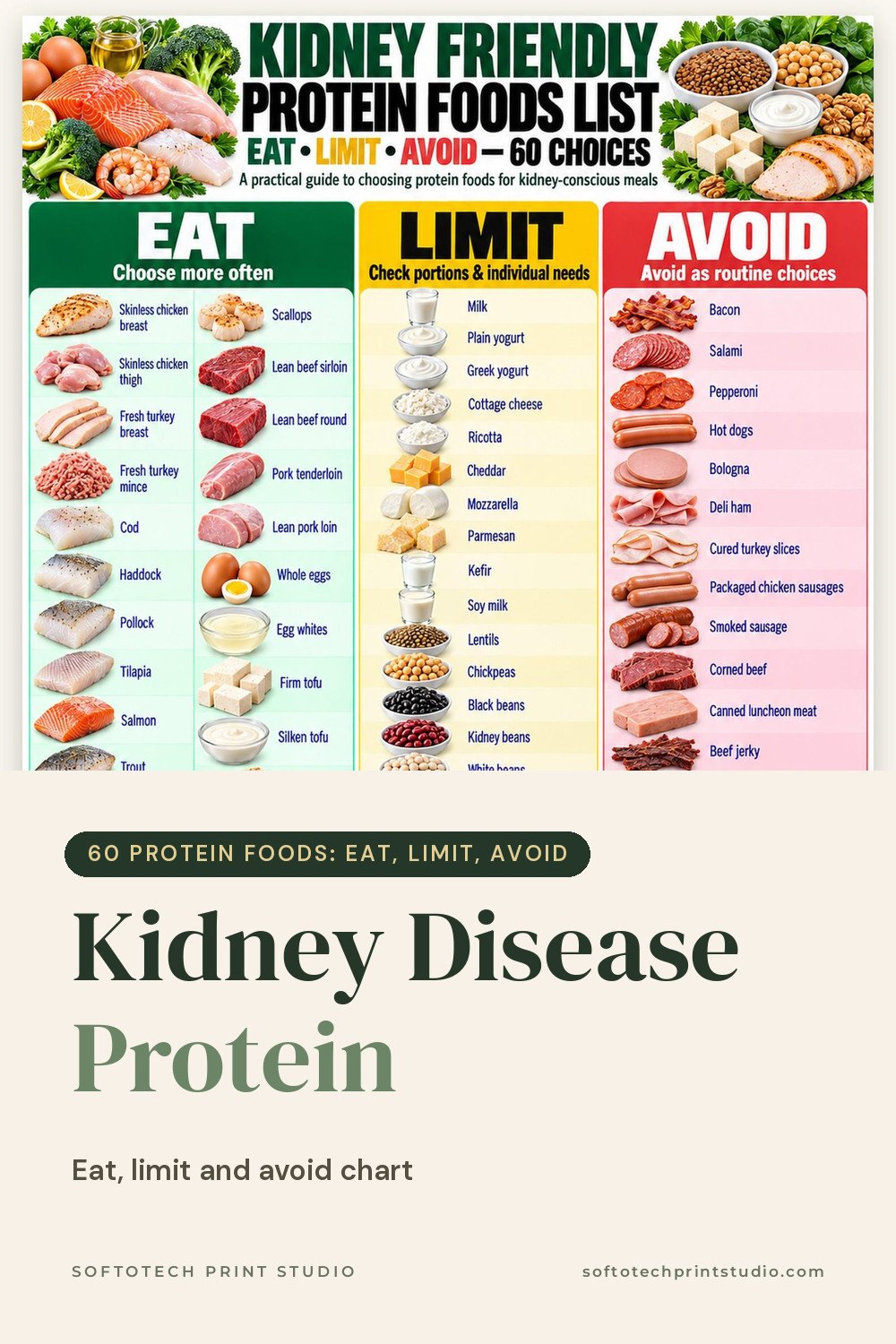
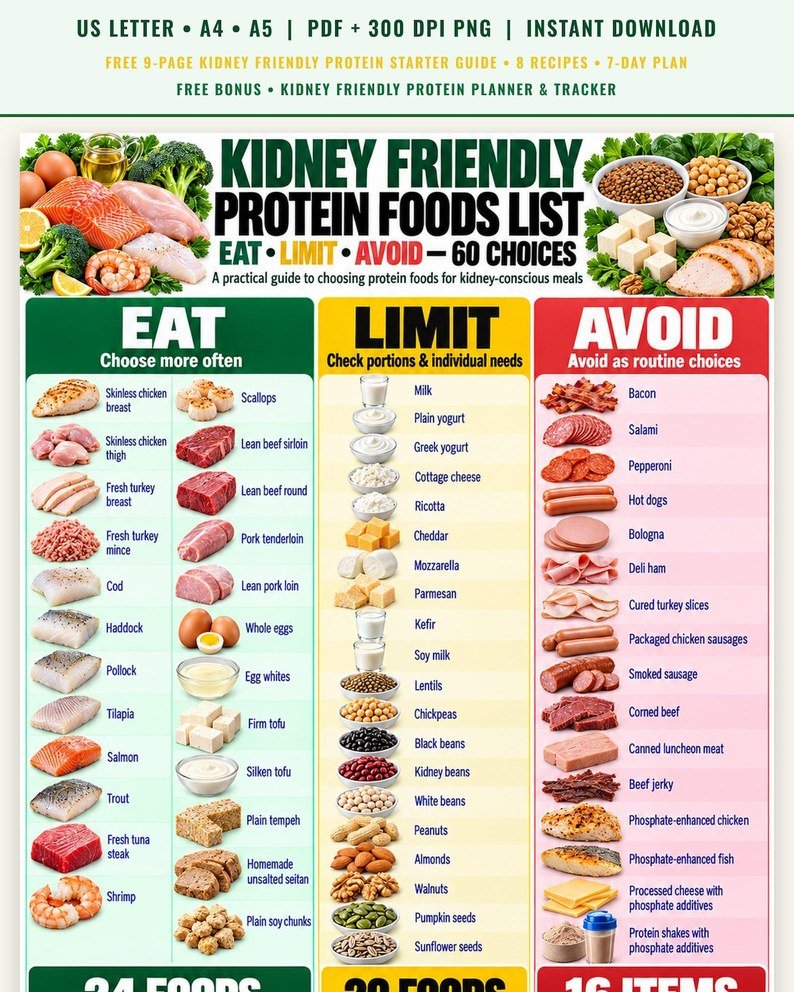
- 60 protein choices in three color-coded columns: Eat (24 foods), Limit (20 foods) and Avoid (16 items)
- Eat includes skinless chicken, cod, salmon, egg whites, firm tofu and plain tempeh
- Limit includes milk, yogurt, cheese, lentils, beans, nuts and seeds, with a reminder to check portions
- Avoid includes bacon, salami, hot dogs, deli ham and phosphate-enhanced chicken, fish and shakes
- Comes with a 9-page kidney friendly protein starter guide and a planner and tracker, per the listing
- Instant download · Print at home · US Letter · A4 · A5
Use code BLOG10 for 65% OFF at Etsy checkout!
Why Protein Needs Change With Your Stage
What protein does and what happens to it. The National Kidney Foundation explains that protein is used to build muscle, heal, fight infection and stay healthy, and that needs vary by age, sex and general health. NIDDK adds that as your body uses protein it breaks down into waste, which your kidneys remove from the blood. When kidneys aren’t working well, that waste can build up.
Without dialysis. The National Kidney Foundation says that for people with kidney disease who are not on dialysis, a diet lower in protein is recommended, and that many studies suggest limiting protein and including more plant-based foods may help slow the loss of kidney function. NIDDK words it this way: some people with CKD may need moderate amounts of protein so waste doesn’t build up in the blood.
The catch. Both sources warn that too little is a problem too. NIDDK says too little protein may lead to malnutrition, and the National Kidney Foundation says too little protein can lead to malnutrition at any stage of kidney disease. That’s why the advice is to work with a dietitian to find the right balance and not to cut protein hard on your own.
On dialysis. The National Kidney Foundation says that once a person has started dialysis, a higher amount of protein is necessary to maintain blood protein levels and improve health, because dialysis removes protein waste from the blood and a low protein diet is no longer needed. NIDDK says the same, adding that peritoneal dialysis removes more protein than hemodialysis.
The right amount for you. According to the National Kidney Foundation, the exact amount depends on your body size, nutritional status and kidney problem, and it suggests meeting a kidney dietitian even in the earliest stages. NIDDK says your protein needs may also change over time.
Types of protein. NIDDK says your health care professional may recommend limiting how much meat and dairy you consume, getting the rest of your protein from plant-based foods and choosing lean, low-fat meats that are also low in phosphorus. If you don’t eat animal products, it advises eating a variety of plant-based proteins to meet your needs. The National Kidney Foundation notes that animal proteins contain all the essential amino acids and that fish, poultry and low-fat or fat-free dairy are lowest in saturated fat, while plant proteins are low in saturated fat and high in fiber.
So the picture isn’t simple. It’s a balance between enough protein to stay nourished and not so much that waste builds up, with the balance tipping differently at different stages. A chart can help you pick foods, but it can’t set the amount.
The Eat, Limit and Avoid Columns, Food by Food
The chart’s title is Kidney Friendly Protein Foods List, with the line Eat, Limit, Avoid, 60 choices, and a subtitle calling it a practical guide to choosing protein foods for kidney-conscious meals. Here is each column.
Eat, choose more often, 24 foods. The green column lists skinless chicken breast, skinless chicken thigh, fresh turkey breast, fresh turkey mince, cod, haddock, pollock, tilapia, salmon, trout, fresh tuna steak and shrimp, then scallops, lean beef sirloin, lean beef round, pork tenderloin, lean pork loin, whole eggs, egg whites, firm tofu, silken tofu, plain tempeh, homemade unsalted seitan and plain soy chunks.
Notice the words. Skinless, fresh, lean, plain and homemade unsalted. They’re the same ideas NIDDK gives: lean, low-fat meats that are low in phosphorus, and a warning that some packaged meats and poultry have added phosphorus. A fresh chicken breast and a pre-seasoned, injected one are not the same food.
Limit, check portions and individual needs, 20 foods. The yellow column lists milk, plain yogurt, Greek yogurt, cottage cheese, ricotta, cheddar, mozzarella, Parmesan, kefir and soy milk, then lentils, chickpeas, black beans, kidney beans, white beans, peanuts, almonds, walnuts, pumpkin seeds and sunflower seeds. These are dairy, legumes, nuts and seeds. They aren’t banned. They’re foods where portion size and your own lab results matter, because they carry phosphorus and potassium. NIDDK notes that phosphorus is found naturally in protein-rich foods such as meat, dairy products and beans.
You may notice that legumes and nuts also appear in NIDDK’s and the National Kidney Foundation’s talk about plant-based protein. The two aren’t in conflict. Plant proteins are often encouraged, and NIDDK says the body absorbs more phosphorus from animal foods than from plant foods, yet the same foods can be high in potassium. That’s why the chart says check portions and individual needs and why your potassium and phosphorus blood tests are the real guide.
Avoid, as routine choices, 16 items. The red column lists bacon, salami, pepperoni, hot dogs, bologna, deli ham, cured turkey slices, packaged chicken sausages, smoked sausage, corned beef, canned luncheon meat and beef jerky, then phosphate-enhanced chicken, phosphate-enhanced fish, processed cheese with phosphate additives and protein shakes with phosphate additives. The heading says avoid as routine choices, which means these aren’t for everyday eating, not that one slice of bacon will cause harm.
The first twelve are cured, smoked or processed meats, the kind of packaged food NIDDK says to limit or avoid when it has added phosphorus, and it names deli meats specifically. The last four are the sneaky ones. Chicken, fish, cheese and shakes can all be made with phosphate additives, and you can’t see that from the picture. You find it on the label.
| Column | Count | What it holds | The reason, in short |
|---|---|---|---|
| Eat | 24 | Fresh lean poultry, fish, lean red meat, eggs, soy foods | Lean and low in phosphorus when fresh and plain |
| Limit | 20 | Dairy, beans, nuts, seeds | Phosphorus and potassium, so portion matters |
| Avoid | 16 | Cured meats, and foods with phosphate additives | Sodium and added phosphorus |
The chart’s footer says it’s for general education, that protein needs vary by kidney function, lab results and dialysis status, and to follow your renal dietitian’s guidance. The planner line on the front says choose portions with your renal dietitian and check labels for added phosphates. Those are the two habits that make the chart safe to use.
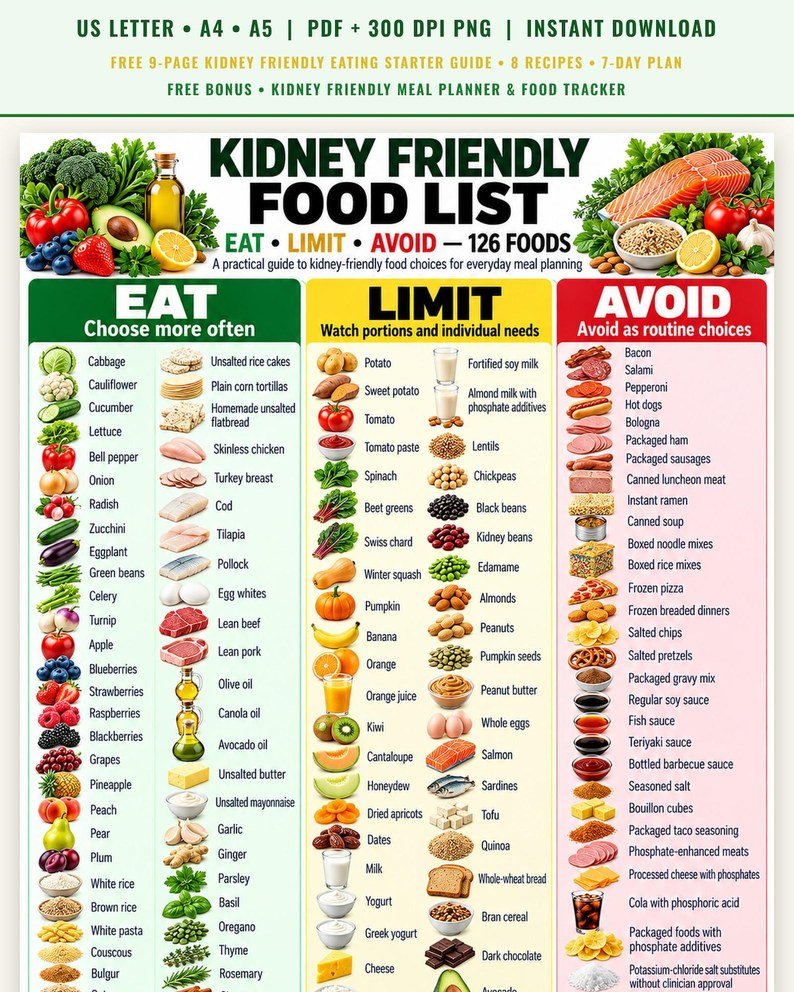
- 126 everyday foods in three columns with food pictures: 54 to eat, 42 to limit and 30 to avoid
- More grains and seasonings in Eat, including plain corn tortillas, white rice, oregano, thyme, rosemary and cinnamon
- A more detailed Limit column with tomato paste, beet greens, Swiss chard, edamame, whole eggs, quinoa and bran cereal
- Avoid adds salted chips, packaged gravy mix, seasoned salt and packaged foods with phosphate additives
- Includes a kidney friendly starter guide and a meal planner and food tracker, per the listing
- Instant download · Print at home · US Letter · A4 · A5
Use code BLOG10 for 65% OFF at Etsy checkout!
A Worked Day, a Shopping Habit and How to Read Labels
Here’s a day of eating that uses only foods from the Eat column for protein, as an example of how the chart translates to a plate. There are no gram figures, because they depend on you. Bring it to your dietitian and ask them to put numbers on it.
| Meal | Protein source (chart column) | With |
|---|---|---|
| Breakfast | Egg whites or a whole egg (Eat) | A slice of white or sourdough toast and fresh fruit |
| Lunch | Roasted skinless chicken breast, leftover (Eat) | Salad with olive oil and lemon, white rice |
| Dinner | Baked cod or tilapia (Eat) | Cooked vegetables and plain pasta or rice |
| Snack | A small portion of plain yogurt (Limit) | Only if your dietitian says dairy fits your plan |
That day keeps the protein small and lean, uses no processed meat, and puts the Limit food in as an optional extra. If you’re on dialysis and told to eat more protein, your dietitian may add portions to the same meals, such as an extra egg or a larger piece of fish.
A shopping habit that helps. Buy fresh or frozen plain fish and poultry, and avoid the ones labeled enhanced, seasoned, basted or injected, which may have phosphate additives. NIDDK suggests asking someone in the meat department to show you which meats do not have added phosphorus. Buy eggs, tofu and plain tempeh for variety. Cook from scratch where you can, and season with herbs, lemon and garlic in place of salt.
How to read a label. NIDDK says to check the Nutrition Facts label and the ingredient list for added phosphorus, looking for the word phosphorus or words with PHOS, such as phosphoric acid, disodium phosphate and monosodium phosphate. Scan the ingredient list of any packaged meat, chicken, fish, cheese or shake before you buy it. It also advises checking sodium, with 5 percent Daily Value or less per serving counted as low and 20 percent or more as high.
Why additives matter. NIDDK says that foods and drinks with added phosphorus may cause your blood phosphorus level to go up more than foods and drinks that naturally contain phosphorus, and that phosphorus additives are the primary source of phosphorus for many people. It’s also why the chart lists four phosphate-enhanced items by name.
If you eat mostly plants. NIDDK says that if you don’t eat animal products you should eat a variety of plant-based proteins to meet your body’s needs, and the National Kidney Foundation says a plant-based diet can meet protein needs with careful planning. On this chart that means firm and silken tofu, plain tempeh, homemade unsalted seitan and plain soy chunks in the Eat column, with lentils, beans, nuts and seeds from the Limit column in portions your dietitian approves. Watch the sodium in packaged plant proteins, and check canned beans for no salt added or rinse them, since NIDDK’s sodium tips say to look for foods labeled no salt added or low sodium.
Portion sense. Ask your dietitian what a portion of meat or fish should look like for you, because it depends on your stage and may change. The chart’s Limit column also needs small portions, such as a few spoonfuls of beans or a small handful of nuts, not a bowl.
For the other parts of a kidney plate, our kidney diet food list covers vegetables, fruits and grains, and the low phosphorus food list goes deeper on phosphorus, which is the main reason protein choices matter so much.
Working With Your Kidney Team
Ask for a renal dietitian. NIDDK says your health care professional may suggest you work with a registered dietitian, ideally one who specializes in kidney disease, to create an eating plan for your individual needs. It also describes medical nutrition therapy, nutrition counseling from a registered dietitian, which it says can help delay CKD progression, prevent or treat complications and improve quality of life. If you’re enrolled in Medicare and have CKD, NIDDK says Medicare covers MNT with a written referral from a doctor.
What to bring. Take your recent lab results with you, or ask for them to be explained: potassium and phosphorus. Bring a few days of food notes and this chart with the foods you eat marked. Ask three questions. How much protein should I aim for each day? Which of the Limit foods can I have, and how much? What should I look for on labels?
Changing needs. NIDDK says that as CKD advances, nutritional needs change and your care professional may recommend choosing foods more carefully. If you start dialysis, ask for a fresh plan, as the protein advice may flip from limiting to increasing.
Weekly planning. Once your dietitian has set your protein plan, our kidney diet meal plan guide shows how a week of meals can look.
Low appetite. NIDDK says that people with CKD may avoid eating because they don’t feel hungry or because food tastes different, and advises talking to a dietitian or health care professional to make sure you’re getting enough. Eating too little protein is a real risk, which is why this guide has focused on balance, not restriction.
Other minerals. Protein foods are tied up with phosphorus and sometimes potassium and sodium. NIDDK lists sodium, potassium and phosphorus as the three to watch with CKD, and says too much sodium makes the body hold on to fluid, which can cause high blood pressure and swelling. Your lab results show which of these you need to watch most. Our low potassium food list covers that side.
The simple takeaway: choose fresh, lean and plain, be careful with processed and enhanced foods, and keep every number between you and your dietitian. The chart makes the choosing easier, and your team makes it safe.
Frequently Asked Questions
How much protein should I eat with kidney disease?
There isn’t one number. The National Kidney Foundation says the exact amount depends on your body size, nutritional status and kidney problem, and recommends meeting a kidney dietitian even in the earliest stages. NIDDK says to work with your dietitian or health care professional to find the amount and sources that suit you.
Do I need less protein if I have CKD?
If you are not on dialysis, the National Kidney Foundation says a diet lower in protein is recommended, and NIDDK says some people with CKD may need moderate amounts of protein so waste does not build up. Too little protein can cause malnutrition, so the amount should be set with your team and not guessed.
Do I need more protein on dialysis?
Usually yes. NIDDK says people on dialysis may need to eat more protein because dialysis removes protein from the blood, and the amount removed depends on the type of dialysis. The National Kidney Foundation says a low-protein diet is no longer needed once dialysis has started.
Are plant proteins better than meat for kidney disease?
NIDDK says your health care professional may recommend limiting meat and dairy and getting the rest of your protein from plant-based foods, and that the body absorbs more phosphorus from animal foods than from plant foods. The National Kidney Foundation notes plant proteins are low in saturated fat and high in fiber. Beans and nuts can be higher in potassium, so portions matter.
Why are deli meats and bacon on the avoid list?
Because processed meats are often high in sodium and may contain phosphorus additives. NIDDK says to limit or avoid packaged and processed foods with added phosphorus, naming deli meats, and says added phosphorus may raise blood phosphorus more than the phosphorus naturally in food.
This guide is general education and is not medical advice. Protein needs depend on your kidney function, lab results and dialysis status, so check any change with your nephrologist or renal dietitian first.
Related Guides
Sources
Sources: National Kidney Foundation, CKD Diet: How much protein is the right amount?, NIDDK (NIH), Healthy Eating for Adults with Chronic Kidney Disease
 Diet & Food ListsMediterranean Diet for Seniors: A Simple Guide With an Eat, Limit, Avoid List and a 7 Day Plan
 Diet & Food ListsHigh Protein Foods for Muscle Gain: How Much You Need, the Best Picks per Meal and a Worked Training Day
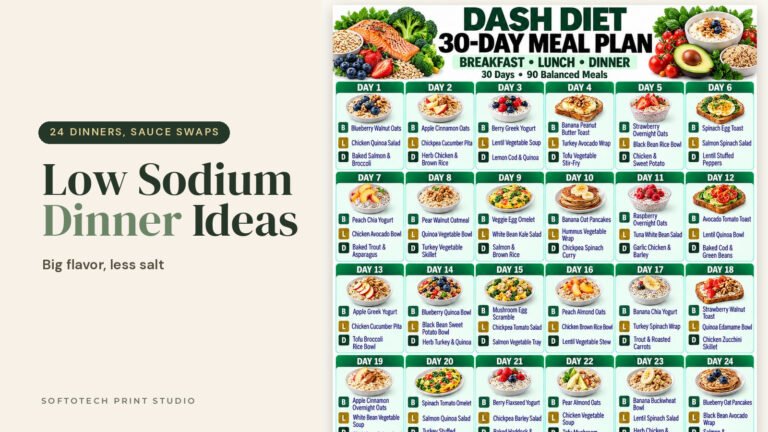 Diet & Food ListsLow Sodium Dinner Ideas: 24 DASH Style Dinners, a Sodium Budget per Plate and Sauce and Seasoning Swaps